Why Quality Live Resin for Sale Is Worth the Hype
Live Resin: A Concentrate That Captures the Plant at Its Peak
If you have spent much time browsing cannabis concentrates, you have likely noticed the category called live resin. It sits alongside hash, shatter, and budder on dispensary shelves, but it is not quite the same as any of them. What makes live resin different is how it is made. Instead of drying and curing the plant material first, live resin starts with fresh, flash-frozen cannabis. That freezing step locks in the volatile compounds that would otherwise break down during a traditional dry and cure. The result is a concentrate that tastes and smells closer to the living plant than anything else I have tried.
I remember the first time I opened a jar of live resin. The aroma hit me before I even got the lid off. It was not the usual hay or grass note you sometimes get with older material. It was bright, citrusy, and almost grassy in the best way. That experience changed how I think about cannabis concentrates. It also made me start paying attention to when and where a product was made, not just its THC potency.
When you see live resin for sale online or at a shop, you are looking at a concentrate that tries to preserve the whole terpene profile of the original plant. That is the main reason people seek it out. The terpenes are the aromatic molecules that give each strain its distinctive smell and flavor, and they are fragile. Heat, oxygen, and time degrade them. Flash freezing and cold curing protect them, so the final product tastes more like the strain it came from. If you have ever wondered why some concentrates taste flat and others taste like a fresh jar of flower, the answer often comes down to how the starting material was handled.
How Live Resin Differs from Cured Resin and Other Concentrates
To understand live resin, it helps to compare it to cured resin. Most cannabis concentrates are made from plant material that has been dried and cured for a week or more. That process is fine for flower, but it lets many of the delicate terpenes evaporate or oxidize. The resulting extract can still be potent, but it often loses some of the subtle flavor notes. Live resin skips the dry and cure entirely. The freshly harvested plant is frozen immediately, then processed into a concentrate through solventless extraction or a gentle chemical process. The terpene profile stays more intact, which is why live resin can taste so much brighter and more complex.
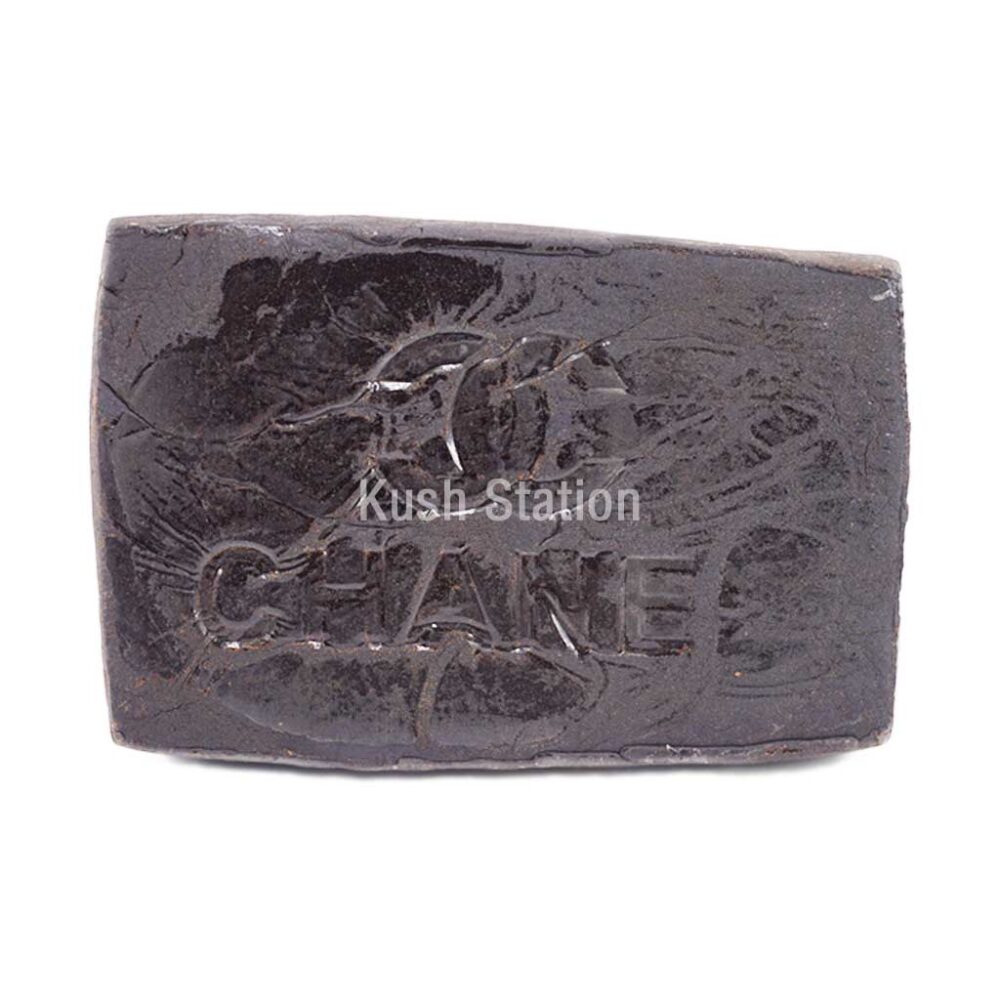
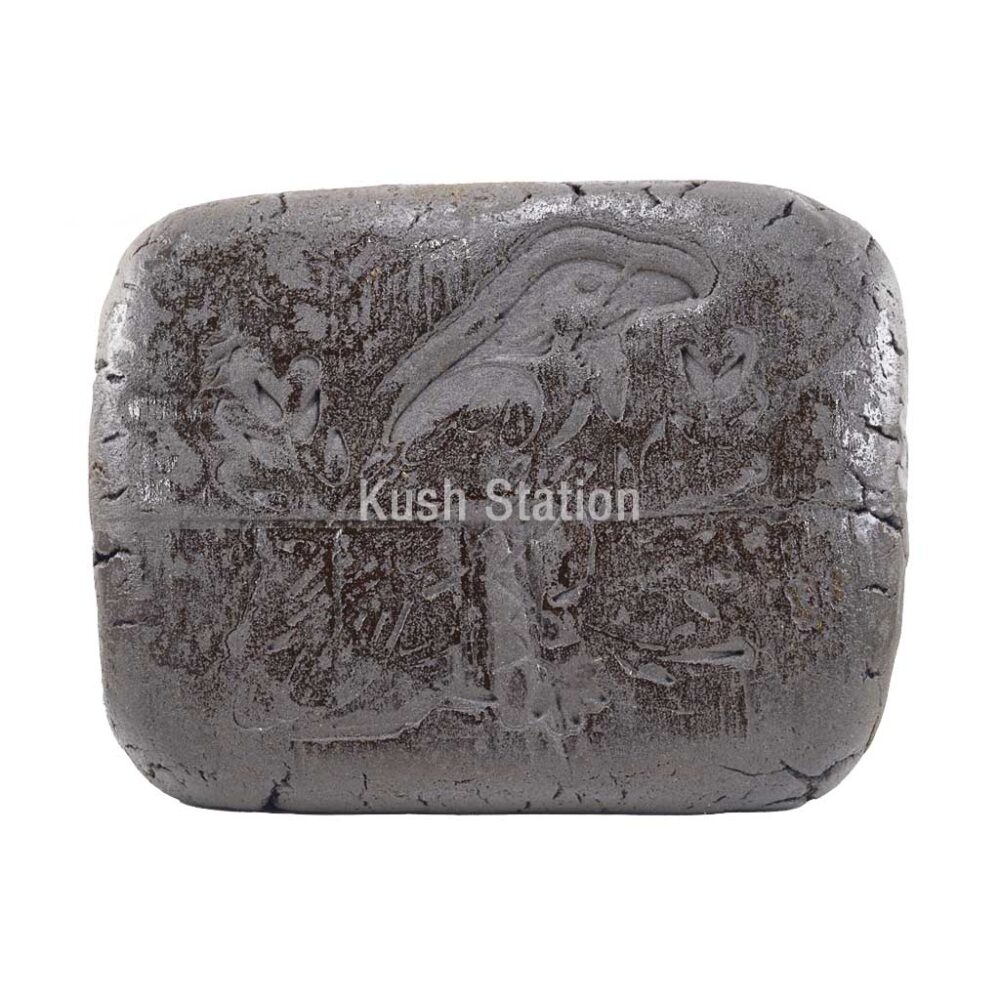
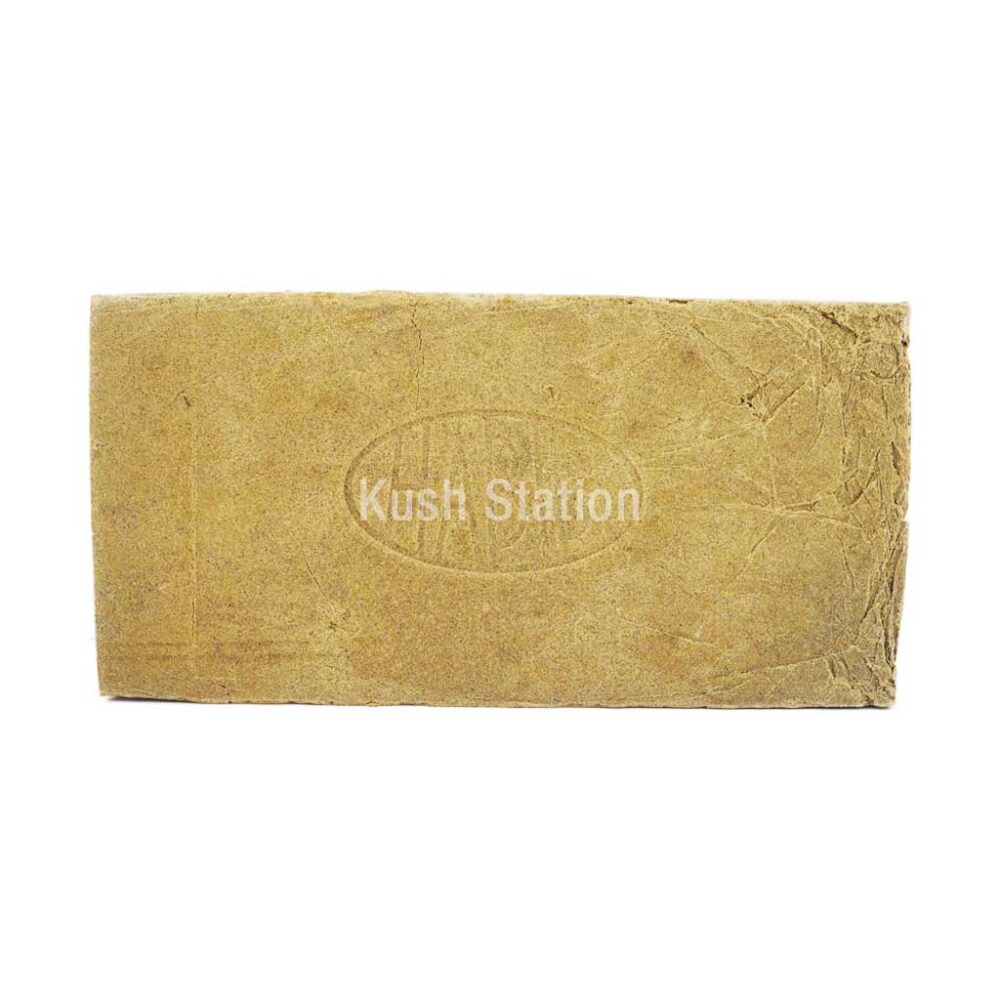
Hash, shatter, and budder each have their own production methods. Hash is made by separating trichomes from plant material, often with dry sieving or ice water. Shatter is a glassy, translucent extract that results from a specific winterization and purging process. Budder has a creamy, butter-like consistency achieved by whipping the concentrate during curing. Live resin can end up looking like any of these depending on how it is processed, but what defines it is the starting material: fresh, frozen, and never dried.
One thing I have noticed is that people new to concentrates sometimes confuse live resin with simple frozen plant material. That is not the same thing. Live resin is an extract made from frozen plant matter, not just frozen flower you could vape. The extraction concentrates the cannabinoids and terpenes into a small amount of material. A single dab on a dab rig or an e-nail can deliver a full spectrum of effects and flavors that would take much more flower to match.
What to Look for When Searching for Live Resin for Sale
Not all live resin is created equal. The quality depends on the starting plant, the timing of the harvest, the freezing method, and the extraction technique. Here are a few things I consider when I am evaluating live resin for sale:
- Source material: Look for products that specify the strain and whether it was grown organically. A good grower will know when to harvest for peak terpene content.
- Extraction method: Solventless extraction, like rosin pressing or ice water separation, preserves the most flavor. Some producers use light solvents, but the best live resin brands emphasize solventless techniques.
- Lab testing: Reputable sellers provide lab-tested concentrates that show THC potency, terpene content, and the absence of residual solvents or contaminants.
- Appearance and consistency: Live resin can range from a sticky, golden syrup to a waxy solid. It should look clean and free of dark specks or crystalline buildup that indicates old material.
- Storage: Live resin should be stored in an airtight container in a cool, dark place. If the product has been exposed to heat or light, the terpenes will degrade and the flavor will suffer.
I have bought live resin from several sources, and the difference between a carefully made product and a rushed one is night and day. The best ones taste like a fresh squeeze of the strain's essential oil. The worst ones taste like old flower with a hint of plastic. Paying attention to the details above has saved me money and disappointment.
Strains and Effects: Indica, Sativa, and Hybrid Live Resin
Live resin is available in all the major strain categories. Indica live resin tends to produce relaxing, body-heavy effects that are good for winding down at night. Sativa live resin is more uplifting and stimulating, suitable for daytime use or creative work. Hybrid live resin offers a balance, combining the best of both worlds depending on the specific genetics. Because the terpene profile is preserved so well, the difference between a good Indica and a good Sativa live resin is often more noticeable than with other concentrates.
I have a personal preference for hybrid live resin from strains that lean slightly toward the Sativa side. The flavor tends to be more citrusy and floral, and the energy boost helps me get through the afternoon. But I keep a jar of Indica live resin on the nightstand for evenings when I want to unwind. The effects hit fast when you use a dab rig or e-nail, and the experience is closer to the original plant than almost any other method.
The Role of KushStation in the Live Resin Market
One online store that has built a reputation for curating quality concentrates is KushStation. They list products sorted by type, potency, and price, which makes it easier to find what you are looking for without sifting through endless pages. They carry live resin alongside hash, shatter, and budder, and their inventory rotates frequently. If you are hunting for live resin for sale, KushStation is a good place to start because they vet their suppliers and provide lab-tested concentrates. The site also includes details about the extraction method, terpene profile, and strain genetics, so you can make an informed choice.
What I appreciate about KushStation is that they do not just dump products on the page. They categorize them clearly and include the kind of information that matters to someone who cares about quality. Whether you are after a specific live resin brand or just exploring the category, the structure of the site helps you narrow down options without getting overwhelmed.
How to Get the Most Out of Live Resin
If you are new to live resin, the best way to experience it is with a dab rig or an e-nail. A dab rig is a water pipe designed for concentrates. You heat a quartz or ceramic banger, apply a small amount of live resin, and inhale the vapor. An e-nail is an electronic heating element that keeps the temperature consistent, which is ideal because live resin can be sensitive to heat. Too hot, and you burn off the delicate terpenes, defeating the purpose of buying live resin in the first place. A low-temperature dab, around 500 to 600 degrees Fahrenheit, preserves the flavor and gives you a smooth hit.
Another method is to use a vaporizer designed for concentrates. Some portable devices have concentrate pads or chambers that work well with live resin. The key is to avoid combustion. Live resin is meant to be vaporized, not burned. If you see smoke or feel a harsh hit, the temperature is too high.
Storage matters too. Keep your live resin in a cool, dark place. A refrigerator is fine, but do not freeze it unless the manufacturer recommends it. The terpenes are volatile, and repeated temperature swings can degrade them. A small, airtight glass jar is the best container. I keep my jars in a drawer away from sunlight, and they stay fresh for months.
Final Thoughts on the Live Resin Experience
Live resin is not just a marketing term. It represents a real shift in how concentrates are made, prioritizing flavor and terpene preservation over sheer yield or ease of production. The extra steps of flash freezing and cold curing require more care and often result in a lower output per pound of plant material, but for many of us, the trade-off is worth it. The taste is more expressive, the effects feel more rounded, and the whole experience feels closer to the living plant.
If you have not tried live resin yet, I recommend starting with a small amount from a reputable source. Look for lab-tested concentrates, check the strain genetics, and do not be afraid to ask the seller about their extraction method. Once you taste a well-made live resin, you will understand why people go out of their way to find it. And when you search for live resin for sale, remember that the best products are the ones that respect the plant from harvest to jar.